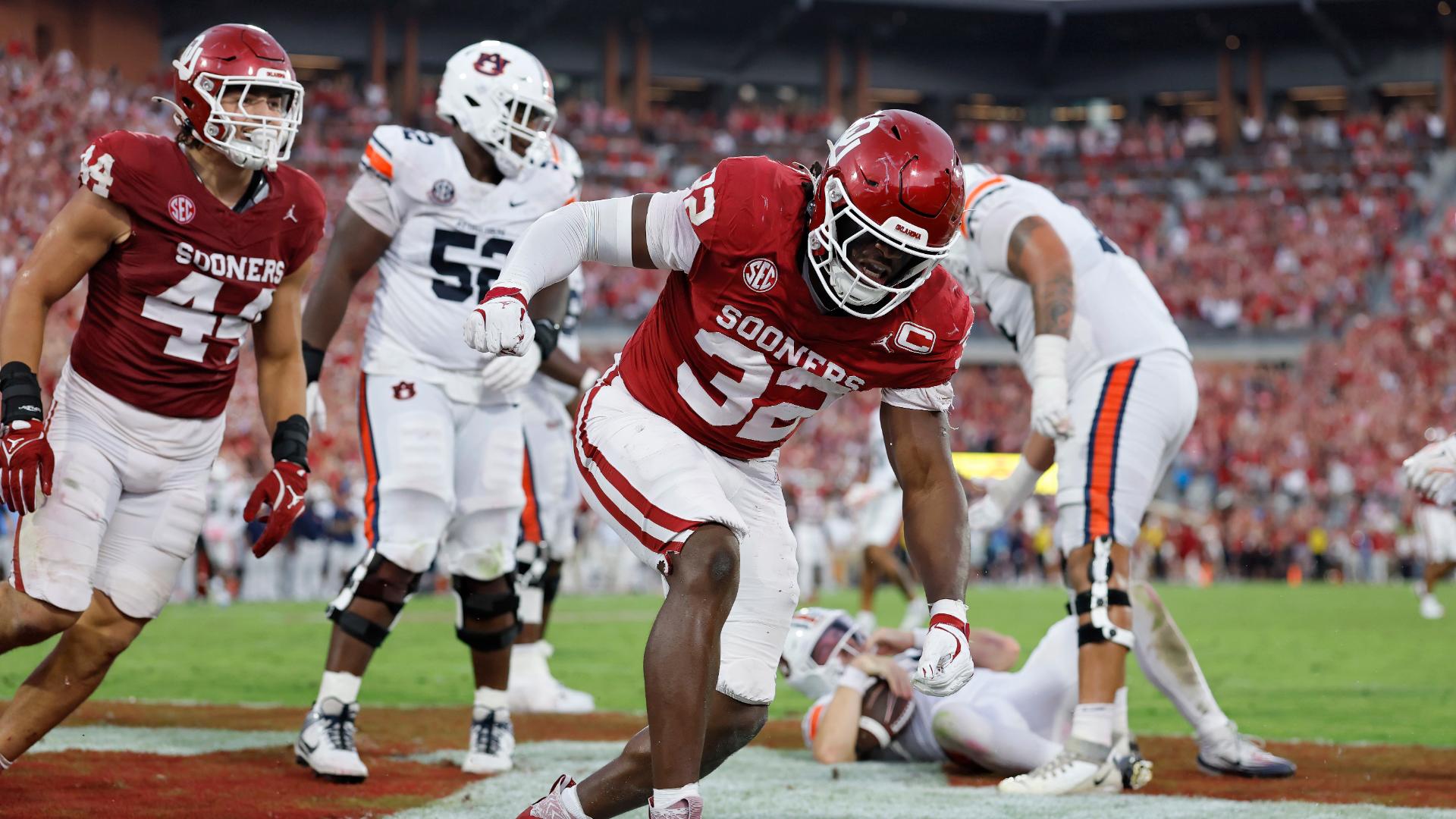
The outcome between the No. 11 Oklahoma Sooners and No. 22 Auburn Tigers should have been defined by the players.
Instead, it was defined by the officials.
Multiple missed calls played a major role in the game’s outcome, leaving the Tigers side frustrated in a 24-17 loss at the hands of the Sooners.
It was not just one moment. There were several pivotal plays, including a missed fumble call that could have resulted in a touchdown and a blatant pass interference that went uncalled. Each had a direct impact on the flow and outcome of the game.
Close calls happen in every game, but when multiple missed calls affect key moments, it changes the conversation from execution to officiating.
For Auburn, this was not just about a loss. It was about feeling like opportunities were taken away. In a game between two evenly matched conference opponents, those moments carry even more weight.
@john.dabkovich2 This was brutal for @Auburn Football fans. #auburn #wareagle #sec #oklahoma #ou
♬ original sound – John Dabkovich
The bigger issue is accountability. Coaches, players, and schools are held responsible for mistakes. They answer questions, face criticism and, in some cases, are penalized. Officiating crews, however, rarely face the same level of scrutiny publicly.
In a sport with this much at stake, there is an expectation of transparency and consistency. When that is missing, it creates doubt around outcomes that should be decided on the field.
The result is a lingering question, not about who made the better plays, but what might have been if the game had been called differently.