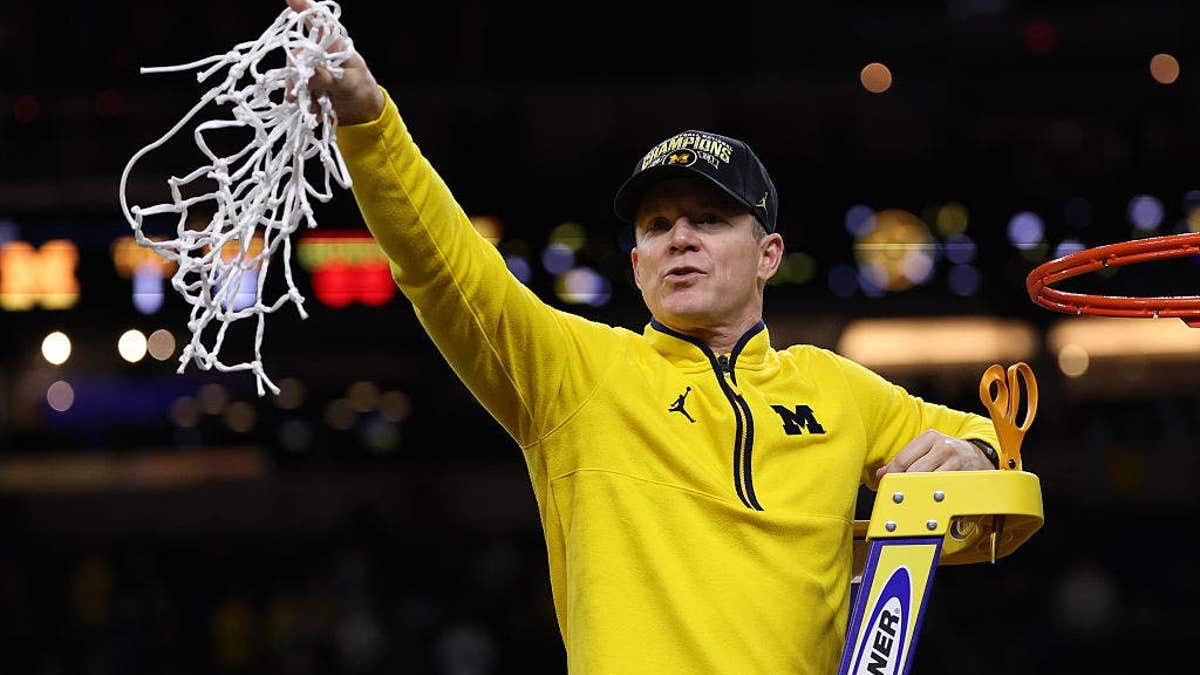
Just months after leading Michigan to a national championship, Dusty May is headed to the NBA.
The Dallas Mavericks officially hired May as their next head coach, ending one of the fastest and most remarkable coaching ascents college basketball has seen in recent memory. In just a handful of years, May transformed Florida Atlantic from an under-the-radar mid-major into a Final Four team before rebuilding Michigan into a national champion in only his second season.
Now, he’ll take over a Mavericks franchise centered around reigning Rookie of the Year Cooper Flagg and one of the NBA’s brightest young cores.
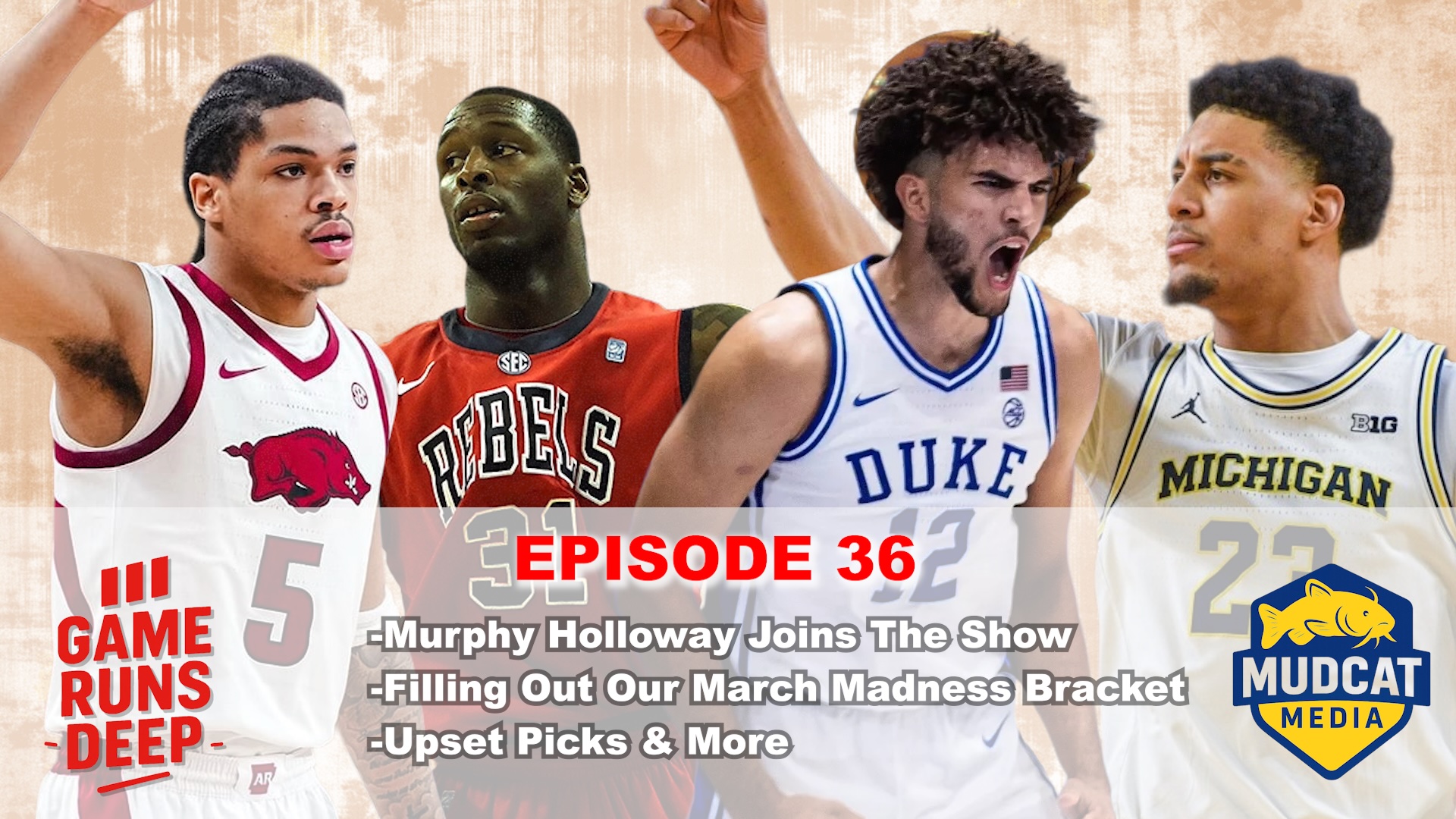
On the latest episode of Game Runs Deep, CBS Sports college basketball writer David Cobb joined Sudu Upadhyay to discuss what drove May’s decision, what it means for Michigan and why the move represents a much larger shift across college athletics.
From Florida Atlantic to the NBA
May’s rise has been nothing short of extraordinary. After leading Florida Atlantic to an improbable Final Four appearance in 2023 and returning the Owls to the NCAA Tournament the following season, Michigan hired him to revive a program coming off an eight-win campaign.
The turnaround was immediate. Michigan won 27 games in May’s first season before capturing the national championship in year two. Just as impressive, the Wolverines had already assembled one of the nation’s top recruiting and transfer portal classes for next season, making his departure even more surprising.
“The team that he was going to bring back looked really good,” Cobb said. “It’s not like he didn’t think he could replace the guys leaving for the NBA Draft. The reinforcements had already arrived.”
Why leave after winning it all?
While the timing caught many by surprise, Cobb believes the decision reflects the current reality of coaching in college sports.
Following Michigan’s championship run, May publicly acknowledged how difficult it has become for college coaches to enjoy success before immediately shifting their attention to recruiting, NIL negotiations and roster retention.
The nonstop calendar has fundamentally changed the profession. Instead of celebrating a championship, coaches are immediately preparing for transfer portal movement, recruiting visits and contract discussions with their own players.
“It’s about more than just basketball now,” Cobb explained. “In college, the head coach has become the CEO of a multimillion-dollar organization.”
That isn’t the case in the NBA.
“There, you get to coach basketball,” Cobb said. “You still have input, but you’re not responsible for running every aspect of the organization. If you’re a basketball coach who wants to focus on basketball, that’s an appealing opportunity.”
A historic move
According to Cobb, May becomes the first reigning national championship-winning college basketball coach since the 1980s to immediately leave for another coaching job.
The move also continues an unusual trend at Michigan. After Jim Harbaugh left for the NFL following the Wolverines’ football national championship, Michigan has now seen both its football and men’s basketball national championship-winning coaches depart for the professional ranks within a short span.
Former Michigan coach John Beilein also made the jump directly to the NBA, although his stint with the Cleveland Cavaliers lasted only one season. Cobb believes May enters a much healthier situation.
“This is a really good job,” Cobb said. “You’ve got Cooper Flagg, you’ve got a top-ten draft pick and you’re taking over a team with a strong foundation.”
What’s next for Michigan?
The timing of May’s departure presents immediate challenges.
Because the coaching change opens another transfer portal window, Michigan’s priority becomes keeping together a roster that many believed was capable of competing for another national championship.
Rather than conducting a lengthy coaching search, Michigan elevated assistant Mike Boynton into the interim head coaching role.
Cobb believes that decision is largely about roster stability.
“If you hire someone from outside right now, there’s nobody left in the portal to replace players who might leave,” he said. “Keeping Mike Boynton gives Michigan the best chance to hold this roster together.”
Boynton brings previous head coaching experience after spending seven seasons at Oklahoma State before joining May’s staff. He also helped oversee Michigan’s top-ranked defense during the championship season.
“This isn’t a panic hire,” Cobb said. “Michigan fans should feel good about Mike Boynton.”
A sign of where college sports are headed
May’s departure may ultimately be remembered less for the individual move and more for what it represents.
College coaches are increasingly balancing roster management, NIL fundraising, recruiting and constant uncertainty surrounding evolving NCAA rules. For some, the NBA offers a chance to simplify the job description. Instead of acting as both general manager and head coach, they can return to focusing primarily on coaching basketball.
As college athletics continues to evolve, May’s decision could become less of an exception and more of a blueprint for successful coaches looking for a different kind of challenge.